
Why your worst session is more useful than your best one
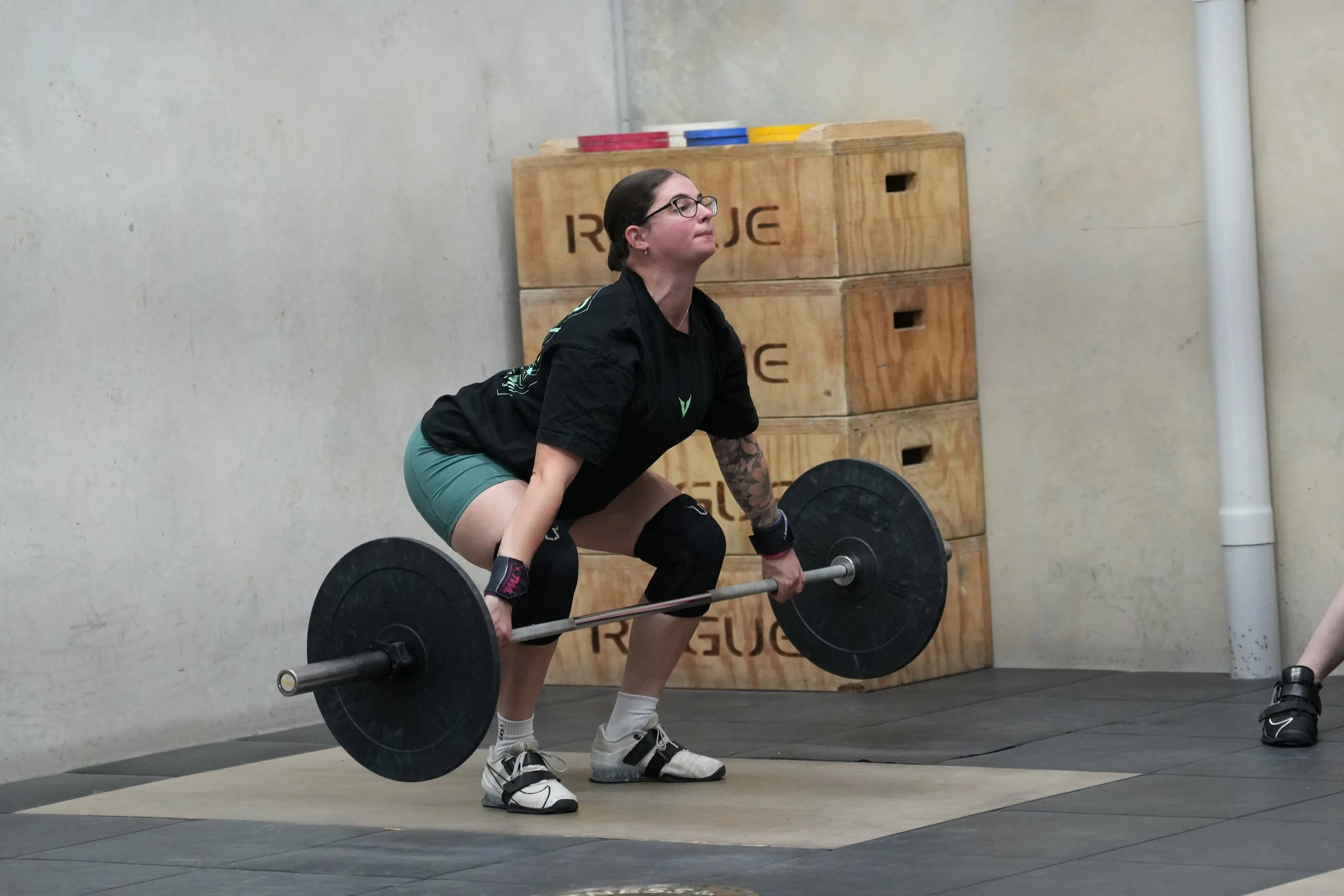
Every lifter remembers their best sessions. The day everything felt light. The PB that went up clean. The session where you walked out of the gym feeling ten feet tall.
Almost nobody remembers their worst ones the same way, except as something to forget.
That's a mistake. Your worst sessions are doing more for your lifting than your best ones ever will.
A good day tells you very little
When everything goes up easily, you don't actually learn much. The weight was manageable, your body cooperated, and the session confirms what you already knew: that on a good day, you can lift well. That's nice to feel, but it's not particularly useful information.
A bad day is different. A bad day is full of learning.
Maybe the bar drifted forward off the floor under a weight that's usually no problem. Maybe your second pull lost speed earlier than it should have. Maybe you just couldn't find a stable receiving position, no matter how many attempts you took. None of that is failure. It's information and it's specific information about what your next training block needs to address.
The lifters who improve fastest aren't the ones who never have bad sessions. They're the ones who actually look at what the bad session was telling them, instead of writing it off as a write-off.
The discomfort is doing the work
There's a reason a tough session sticks with you more than an easy one. Grinding through a heavy single that fights you the whole way, or finishing a session where nothing felt right but you stayed in it anyway, that's where the actual adaptation happens. Not just physically, but mentally.
Showing up and lifting well on an easy day doesn't ask much of you. Showing up and lifting something on a hard day, even if it's not what was on the program, builds the part of you that keeps training through the years when motivation alone won't cut it.
That's not a throwaway line. Motivation is unreliable. It comes and goes with sleep, stress, work, and life. What carries a lifter through a long career isn't motivation, it's the ability to turn up and do the work anyway, especially when the work is hard and the results aren't showing up that day.
What to actually do with a bad session
Next time a session falls apart, resist the urge to mentally bin it. Instead, ask:
What's the first thing that broke down, was it positioning, speed, confidence, or fatigue?
Was this a one-off, or has it shown up before?
What does this tell your coach about what the next few weeks of training need to look like?
Bring that information to your next conversation with your coach. A bad session you can explain is far more valuable than a good session you can't.
The long game
Across a year of training, you'll have far more average and bad sessions than great ones. That's normal it's not a sign anything is going wrong. The flat stretches and rough days are the bulk of the work. The good days are just the moments where it shows.
So next time you walk out of the gym frustrated, don't write the session off. Look at what it gave you. It's probably more than you think.
Want a coach watching for what your bad sessions are telling you?
If you've ever walked away from a tough session wondering what actually went wrong, that's exactly what coaching is for. We're offering a free one-on-one session at MWBC come in, lift, and let us help you make sense of it.
Book your free session today — LINK
—MWBC Coaching Team
