
Welcome to the MWBC Blog – Your Source for All Things Lifting
At MWBC, we're all about lifting heavy, living well, and having a laugh (or ten) along the way. And what better place to share our wisdom, witticisms, and wild stories than right here on our blog?
From nutrition to mindset to hitting depth and everything in between, our blog is your go-to source for all things lifting and beyond. We'll be dishing out expert advice, sharing our favourite mobility hacks, and giving you a behind-the-scenes look at what really goes down in the MWBC community.
But we're not just here to talk shop. We're here to build a team of athletes who support each other, both on and off the platform. So, whether you're looking for a little motivation to get you through your next training session or just want to connect with a crew of like-minded (and slightly wacky) humans, you've come to the right place.
So, grab a cuppa (or a beer, we won't judge), settle in, and get ready to dive into the wonderful world of MWBC. We promise you'll leave feeling informed, entertained, and maybe even a little bit sore (in the best way possible).
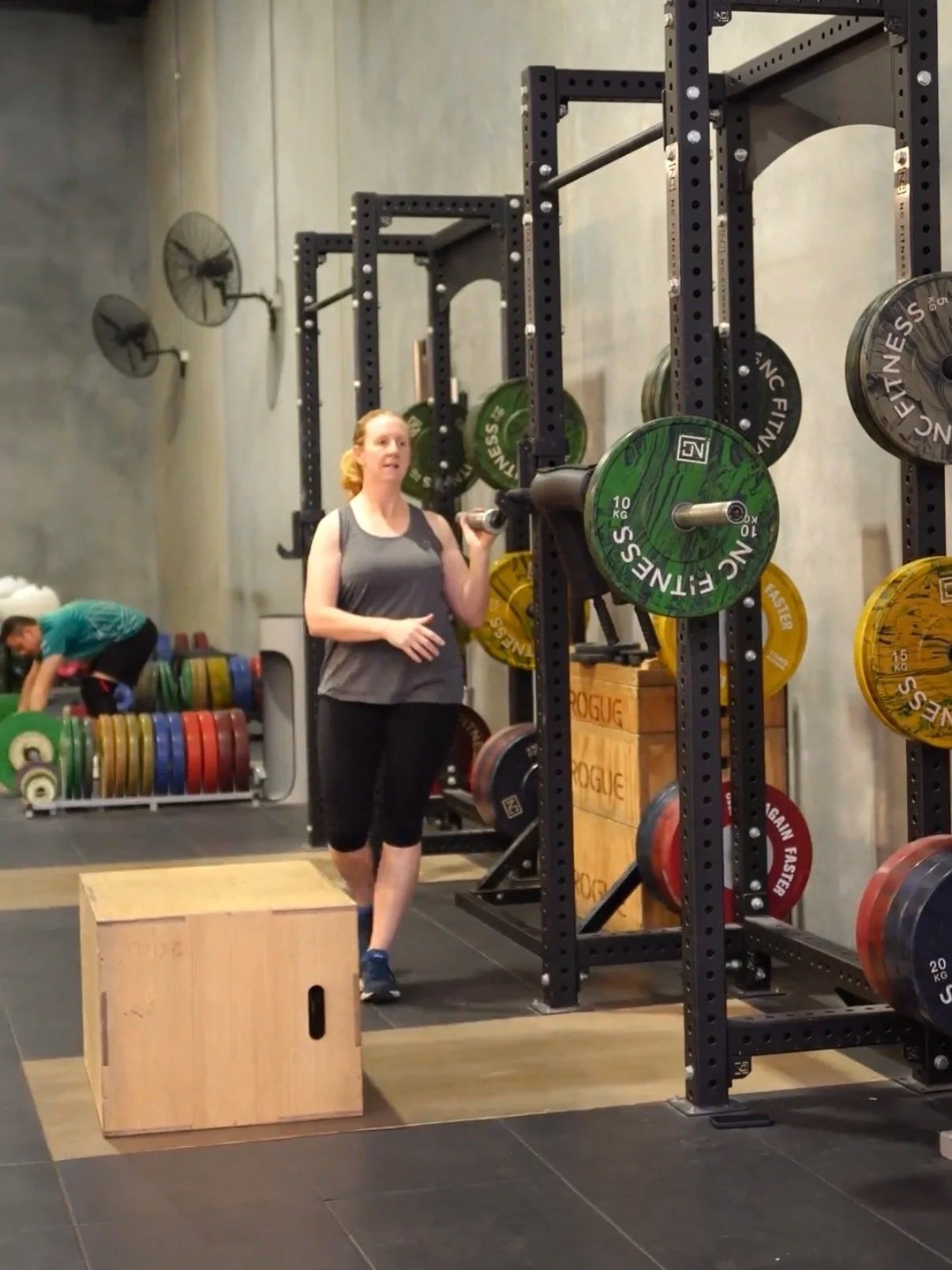
Teaching Through Feeling: Coaching the Person, Not Just the Lift
You can tell someone to keep their chest up a hundred times, but if they've never felt what that actually means, the words don't land. Coach Sebb breaks down why teaching technique starts with feeling, not cueing, and why a cue only works once the lifter already knows what it's pointing to.
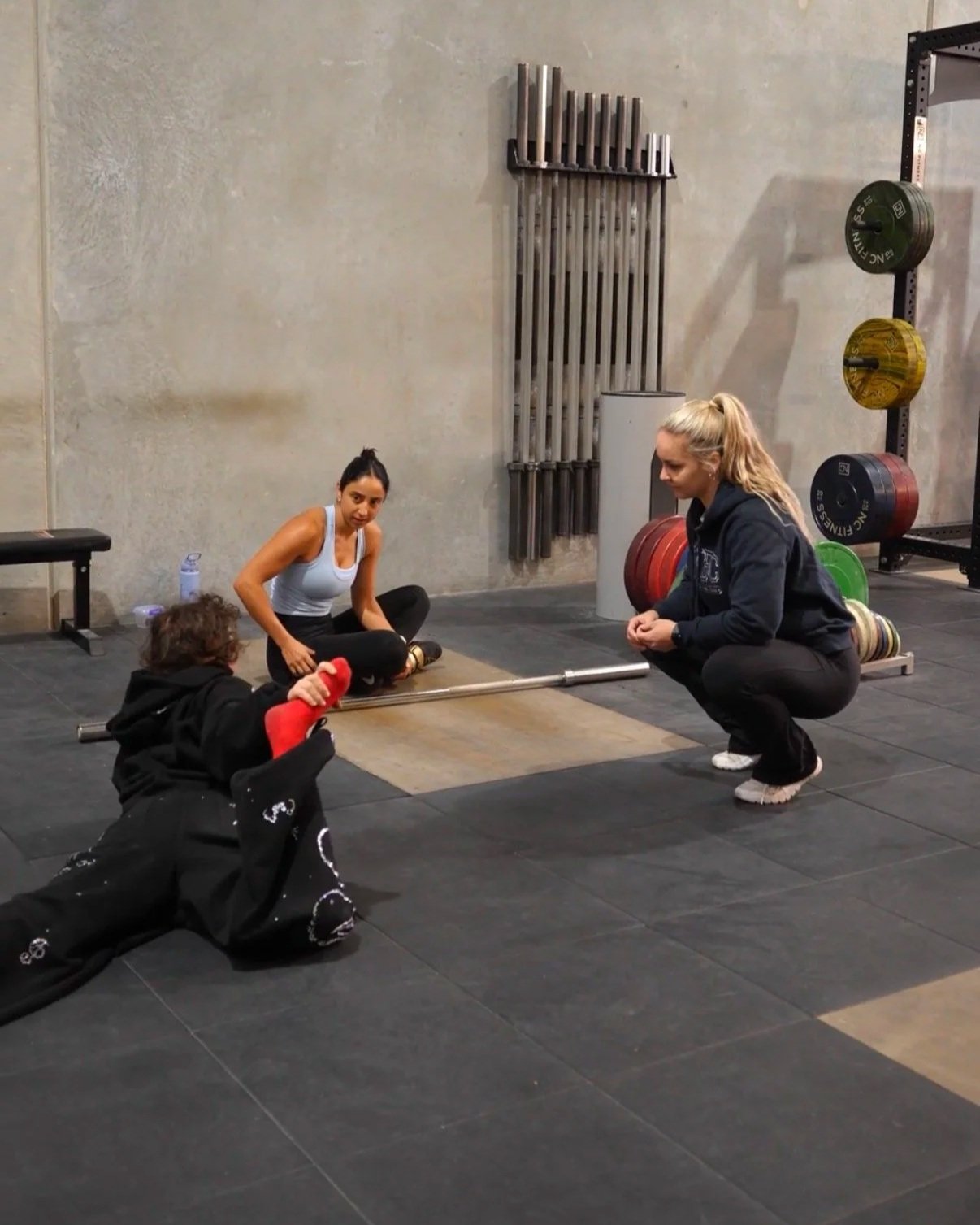
Reasons To Train Weightlifting That Have Nothing To Do With Lifting Heavy Or Competing
You don't need to want a comp date to belong on the platform. From 90 uninterrupted minutes that are just yours, to friendships you'd never have found anywhere else, here are the reasons our members keep coming back that have nothing to do with the number on the bar.
Stop spiralling after a miss: Building your reset routine as a weightlifter
You miss an opener, and suddenly you're taking your second attempt while still mentally standing in your first. In Part 3, Emma breaks down why that happens in your brain and body, and gives you a four-step reset routine to close one attempt and open the next, so one miss doesn't take over the whole session.
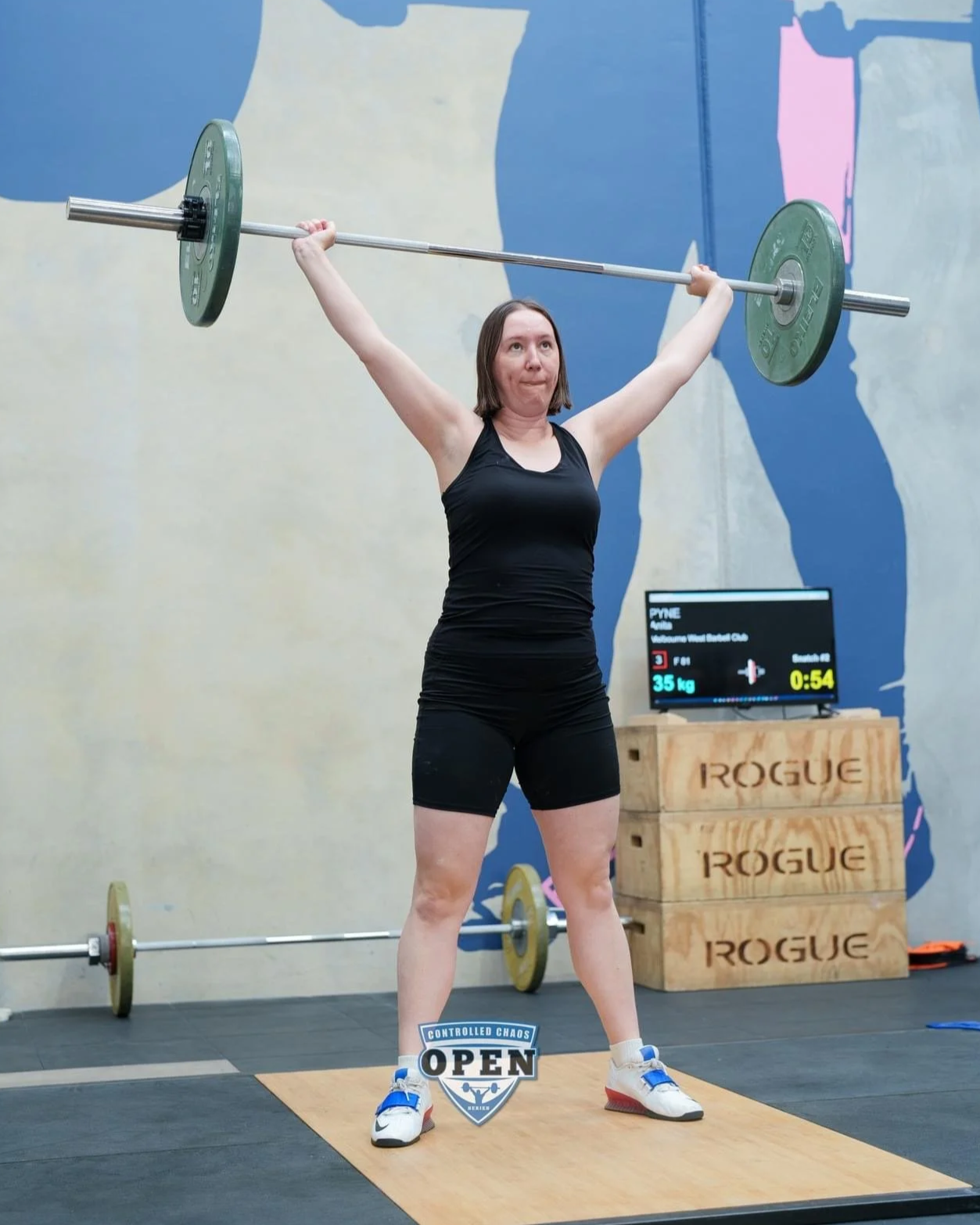
Your Menstrual Cycle Might Affect Your Lifting…. But Probably Not How You Think.
You've probably heard that your cycle makes you stronger or weaker at certain times of the month, but the research tells a messier, more individual story. A coach and menstrual cycle researcher breaks down what the evidence on weightlifters and powerlifters actually shows, and what it means for how you train.
Short on Time? Here's How to Train Anyway
We've all had the day where a ninety-minute session turns into forty five. Most people's answer is to skip it entirely and it's the wrong call almost every time. Here's how to cut a session down when you're short on time, without throwing away the progress you're working for.

Things I Wish I Knew Before I Started Weightlifting
Nobody tells you how long weightlifting actually takes, that you're going to miss lifts, or that you should compete way before you feel ready. After almost a decade in the sport, here are the lessons I wish someone had handed me on day one — so you don't have to learn them the hard way.

Training in Your Zone: Building Your Pre-Performance Routine as a Weightlifter
Knowing your zone is step one. But knowing it doesn't change anything on its own. In Part 2, Emma breaks down how to find your optimal arousal zone, train in it on purpose, and build a pre-performance routine that holds up when it actually matters on the platform.
When life gets overwhelming, training is my regulator, is it yours?
Life has seasons, some weeks training feels effortless, others it's the last thing you want to do. But when stress piles up, training doesn't have to be another task on the list. It can be the thing that helps you regulate, reconnect, and reset.
How to Stay Consistent in Weightlifting Even When You're Not Feeling 100%
Some days the bar feels like an extension of your body. Other days the warm-up weight feels like a max attempt. Here's how to tell the difference, adjust without derailing your training, and why showing up at 60% still beats not showing up at all.
Nobody I Coach Has Said "I've Got Heaps of Time to Train, Coach"
Nobody I coach has ever said "I've got heaps of time to train, coach." They've got full-time jobs, families, and about a million and one things happening on any given Tuesday and they still want to get stronger and compete. Here's why coaching them looks nothing like coaching from a textbook.

Performance Anxiety as a Weightlifter: What Does It Mean?
Your hands are shaking, your mind goes blank, and suddenly you can't remember how to do the lift you've done a hundred times. Sound familiar? In the first of this series, Accredited Mental Health Social Worker Emma breaks down what performance anxiety actually is, why it shows up, and why the goal was never to get rid of it.
THE WORK IS NEVER FINISHED, EVEN AS A COACH
I train 6-8 hours a week in Muay Thai, drill technique consistently, and feel completely comfortable, until it comes to actually sparring someone. Turns out the story I told myself about being 'too competitive' for interclub day was really just perfectionism in disguise. Here's what showing up anyway taught me about the athletes I coach every week at MWBC.
You're Training Hard. Here's What Might Be Holding You Back.
When I started weightlifting, I had no idea what I was doing with my nutrition. I was training hard, showing up consistently, but I was under-fuelled and under-recovered so consistently that my coach eventually got sick of watching it. That one hour with a sports nutritionist changed the way I understood my body and my training forever.
Why your worst session is more useful than your best one
Everyone remembers their best sessions. Almost nobody learns from their worst ones, except as something to forget. That's a mistake. Here's why a session that falls apart might be doing more for your lifting than the one where everything went right.
5 things lifters are wrong about, and what their coach sees instead
Your coaches have spent years on the gym floor. Over that time, certain patterns keep showing up, beliefs held by hard-working lifters who are quietly getting in their own way. Here are 5 of the most common, and what to focus on instead.
Individualised or Generalised?
Everyone talks about individualised programming but very few people are honest about what it actually means. The truth is, you cannot truly individualise a program after one hour with an athlete. Real individualisation is a process, not a starting point, and it's built through time, attention and a willingness to keep learning about the person in front of you.
Menstrual Cycle and Strength Training: Elite Athlete and Coach Perspectives
Two years in the making, this published research dives into how elite strength-sport athletes and coaches navigate training and performance throughout the menstrual cycle and the findings might surprise you.

Practice Makes Permanent
We're often told that progress is a numbers game: do more, lift more, repeat more. But if the movement itself is off, more reps don't fix it, they just make it permanent. Here's why quality beats volume in skill work, and what actually drives technique forward.

How many days a week should you squat to make progress in weightlifting?
I used to think 3 squat sessions a week was the minimum for any serious weightlifter. I was wrong. For most lifters, the ones with full-time jobs, real time constraints, and a long list of goals, 2 days a week is enough to make real, consistent progress. The trick is knowing when to add a third, and when squatting more is actually costing you progress.
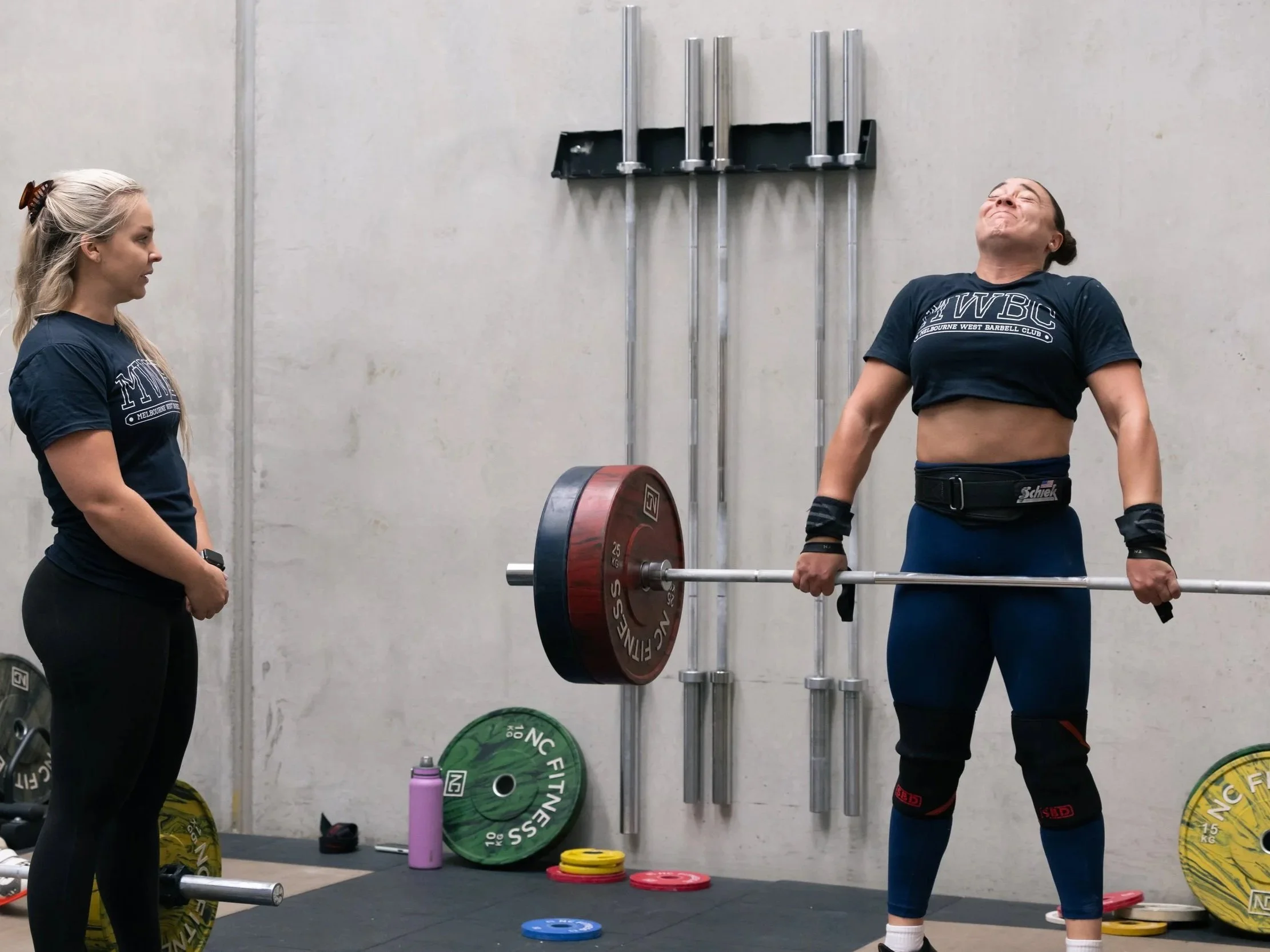
My Biggest Lessons from Coaching Internationally
Eight days in Samoa coaching Ash and several of Australia's best at the Oceania, Commonwealth and Universal Cup. Here's what Caity took home from one of the most hectic sessions she's navigated as a coach, from solo coaching pressure, to opening weight strategy, to the difference between coaches who are there for the win and coaches who are there for the athlete.