If You Only Focus at 85%, You’re Already Late
People Don’t Take Their Lifts Seriously Enough Until 85%+
When you go into a session, how seriously do you actually take your warm-up sets?
Be honest.
How often are you actually thinking about the things your coach has been telling you? How often are you using those lighter lifts to practise the skill you are trying to improve?
Or do you rush through them just to get to your “working sets” and heavy lifts?
Many lifters do exactly that. They move through their warm-ups as fast as possible, make big jumps in weight, and treat anything under 85% like it doesn’t really matter. Then, the second the bar feels heavy, they suddenly expect everything to click. But it usually doesn’t.
That is when the thoughts start creeping in:
“Why does this feel terrible today?”
“I’m trying to focus on the cue, but I just can’t get it.”
“Why does my technique disappear when it gets heavy?”
The truth is, for many lifters, the problem didn’t suddenly appear at 85% or 90%. It was already there from the start. They just weren’t paying attention early enough to notice it.
Heavy Lifts Expose Habits
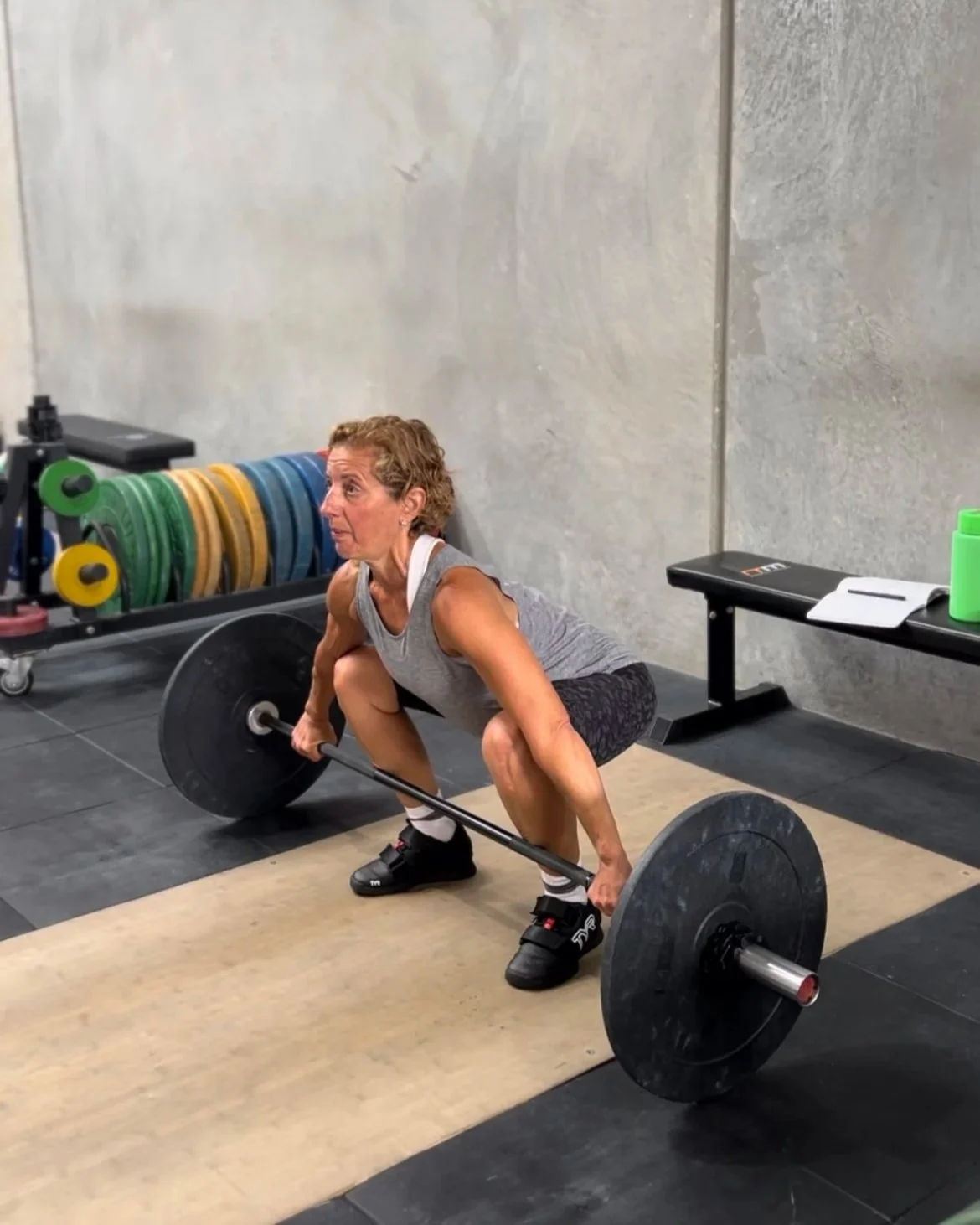
Very few lifters I see actually take their warm-up sets seriously. A lot of people just do the lift, even if it feels off or looks messy, shrugging it off, adding more weight, and keeping going. But those lighter sets are not meaningless. They are your first opportunity in the session to dial in positions, timing, rhythm, and intent.
And that matters, because making technical changes is easier when the load is lighter.
When the bar is light enough, you have more room to think, feel what is happening, and make adjustments without the lift turning into pure survival mode. Once the weight gets heavy, your body usually falls back on what it already knows. It will rely on your current habits, not on the brand-new cue you are trying to force into one heavy rep.
There has never been a time when I have taken a snatch close to my max, had my coach give me a cue right there, and thought, “Yep, I completely felt that and now I know exactly how to fix it at 95%.”
That is just not how it works most of the time. Unless it was a reminder of something I had been previously focusing on.
At those loads, there is too much speed, too much effort, and too much pressure to suddenly build a new movement pattern on the spot. Heavy lifts expose your habits. They do not magically teach you better ones.
Your Warm-Ups Are Practice
That is why your warm-up sets matter so much.
If I am trying to focus on locking out faster in the snatch, I need to start practising that from the empty bar. Then I keep reinforcing it as the weight builds. Rep by rep, the movement starts to feel more familiar and more consistent. By the time I get to the heavier lifts, I am not trying to invent something new under pressure. I am repeating something I have already been rehearsing from the start of the session.
That is a much better use of training.
Warm-up sets are not just for getting warm; they also give you a chance to prepare technically and mentally. They are your rehearsal. They are where you build awareness, sharpen positions, and set the standard for how the session will go.
They also help you judge how the day is feeling.
A good lifter is not just blindly adding weight. They are paying attention. They are noticing whether the bar feels snappy, whether positions feel rushed, whether balance is off, or whether a cue is landing well. That information matters. It helps you decide whether to push, hold back, adjust, or simplify. If you rush through your warm-ups, you miss out on all that feedback.
And that is often why lifters feel confused by their own training.
They say their lifts never improve.
They say their technique falls apart when it gets heavy.
They say they cannot seem to make changes stick.
But a lot of the time, they are only trying to care once the weight gets challenging. That mindset makes progress harder than it needs to be.
Better Training Starts Earlier
Yes, to get better at weightlifting, you do need exposure to heavy lifts. Heavy training matters. But heavy lifting is only part of the picture. You also need enough quality practice to actually improve the movement itself. And that starts well before the bar feels heavy.
Being intentional with every rep and set you do is one of the easiest ways to improve the quality of your training. It is low-hanging fruit. It does not require more talent, more time, or a secret program. It just requires more attention, more purpose, and better standards from the start of the session.
That does not mean taking five minutes between every set with the empty bar. It does not mean overthinking every rep. It just means having a reason for what you are doing and actually using those lighter lifts to build the movement you want to show when it counts.
So next time you train, do something simple:
Try to be intentional on every rep of every set, no matter how light it may be; you are not just warming up your body to progress in weight but also your mind. Bringing that much focus to a session can be very tough at first, but once you have tried it a few times, it will become easier. If you only start focusing once it gets heavy, it will make it so much harder for you to implement cues or focus on anything apart from “oh fuck.”
If you are tired of feeling like your lifts fall apart once they get heavy, at MWBC we offer free 1-on-1 sessions to help you figure out what is actually holding you back and what to focus on in training.
—MWBC Coaching Team
