
How to Set Goals as a Weightlifter: A Practical Guide That Actually Works
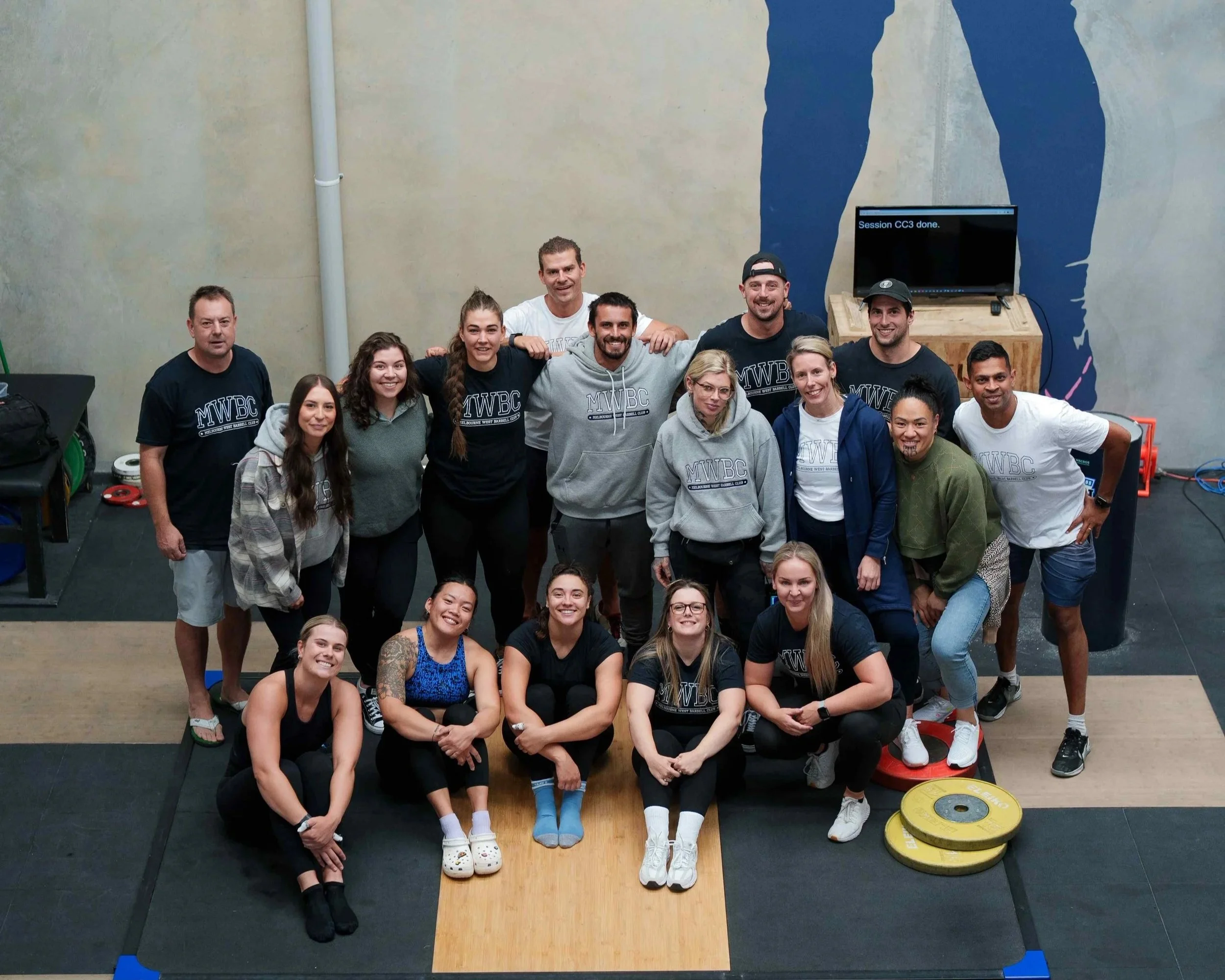
Recently, we ran a goal-setting seminar for the MWBC team, and honestly, it was one of those sessions that reminded me why I love coaching. Not because we hit any PRs or nailed any perfect lifts, but because we got real about what it takes to actually achieve the things we say we want.
Here's the thing: most athletes I work with are incredibly driven. They show up, they put in the work, and they push through the tough days. But when it comes to goal-setting? A lot of lifters fall into the same trap. They write down some big outcome goal like "Qualify for Nationals" or "Add 20kg to my total," and then... nothing. A few weeks go by, motivation fades, and that goal just sits there collecting dust.
The problem isn't a lack of desire or effort. The problem is that they're focused entirely on the destination without setting themselves up to achieve it. So in this seminar, I walked my team through a process that shifts the focus from just outcomes to the daily habits and behaviours that actually drive progress. The goal for this was to show athletes how to set a goal, but also how to take responsibility of that goal and continue to bring focus to it as they work towards it.
Paint Your Picture of Perfection
We started by getting everyone to paint their "picture of perfection". I didn't want some generic answer like "I want to lift more." I wanted details. What does that moment look like? How does it feel? Who's there? What are you wearing? What's the atmosphere like? This isn't just a silly visualisation exercise. When you can vividly picture what success looks like to you, you create an emotional connection to that goal. As well as really seeing what you value and understanding what you want to achieve.
Understand Your Why
From there, we dug into the why. And I mean, really why? Not just "because I want to be better," but the deeper reason behind it. Is it about proving something to yourself? Earning respect from your peers? Honouring the time and effort you've already invested? Maybe it's about showing your kids what dedication looks like. Whatever it is, getting clear on your "why" is crucial. Because when the motivation fades, and it will, your "why" is what keeps you anchored.
Identify the Habits That Drive Success
Then things got practical. I asked everyone to list out all the daily and weekly behaviours that someone who achieves this goal would naturally do. Think about it, what does a lifter who qualifies for Nationals do differently than someone who doesn't? They probably sleep consistently, eat to fuel performance, show up to every training session, work on mobility, study technique, manage stress, and so on.
Once they had their list, I had them rate each habit on a difficulty scale from 1 to 10. Not all habits are created equal, right? Some are easy wins, low-hanging fruit that you can knock out right away. Others require more effort, more time, or more support. By rating them, you can prioritise where to start without overwhelming yourself.
Start Small and Build Momentum
Here's where most people screw up, though. They look at that list of habits and think, "Alright, I'm going to do all of this starting Monday." By Wednesday, they feel overwhelmed and find themselves back at the beginning. So instead, I asked each person to pick just one habit to focus on for the next week. Just one. Ideally, it should be a 3 or 4 on the difficulty scale, challenging enough to matter but not so hard that it feels impossible. Small wins build momentum, and momentum is what carries you forward.
Break Down Your Timeline
We also broke that big end-of-year goal into smaller, more manageable milestones. What can you realistically achieve in the next 3 months? What about 6 months? And then, what's the ultimate target for 12 months? This gives you a roadmap. Instead of staring at some distant finish line and feeling overwhelmed, you've got checkpoints along the way. You can track progress, celebrate wins, and adjust course if needed.
The 12-Week Reflection
The last thing I emphasised was the importance of a 12-week reflection. Goals aren't static. Life happens, circumstances change, and sometimes what seemed like a great plan three months ago doesn't make sense anymore. Sitting down to assess what's working and what's not and adjusting accordingly keeps the process dynamic and realistic. If you do fall off track or didn't get the outcome you were looking for in the first 12 months, that does not mean you have failed. Maybe you need more time? Or maybe you need another approach; no need to be harsh on yourself in that reflection, but find what works for you.
Final Thoughts
Look, goal-setting isn't about pumping yourself up with motivational quotes and hoping for the best. It's about creating clarity and direction. It's about identifying the specific behaviours that will move you forward and then systematically building those into your life.
If you're tired of setting goals that never seem to stick, or you want help building a clear roadmap for your weightlifting journey, at MWBC we offer free 1-on-1 sessions to help you figure out what's actually holding you back and create a plan that works for you.
—MWBC Coaching Team
