
Let’s Leave “Light Weight = Better Technique” in the Past
Let’s Leave “Light Weight = Better Technique” in the Past
Imagine this.
You wake up and it’s 2026, and people have finally stopped believing that improving technique means doing the exact same lift… just really light.
That’s a world I’d love to live in.
If you’re with me, here’s how we start building it.
Technique Isn’t Just About Going Lighter
Working on technique doesn’t automatically mean stripping the bar back to nothing or living with an empty barbell.
Yes, lighter loads can be useful, especially if you’re brand new and still learning basic movement patterns. In that case, more reps at lighter weights help you understand the lift.
But if you’ve been consistently training the Olympic lifts for a while, improving your technique requires more than just “going light.”
To truly improve technique, you need:
Better positions
Better body awareness
Speed
More strength in the right places
And that last one is the part people often ignore.
Why “Just Go Light” Often Doesn’t Work
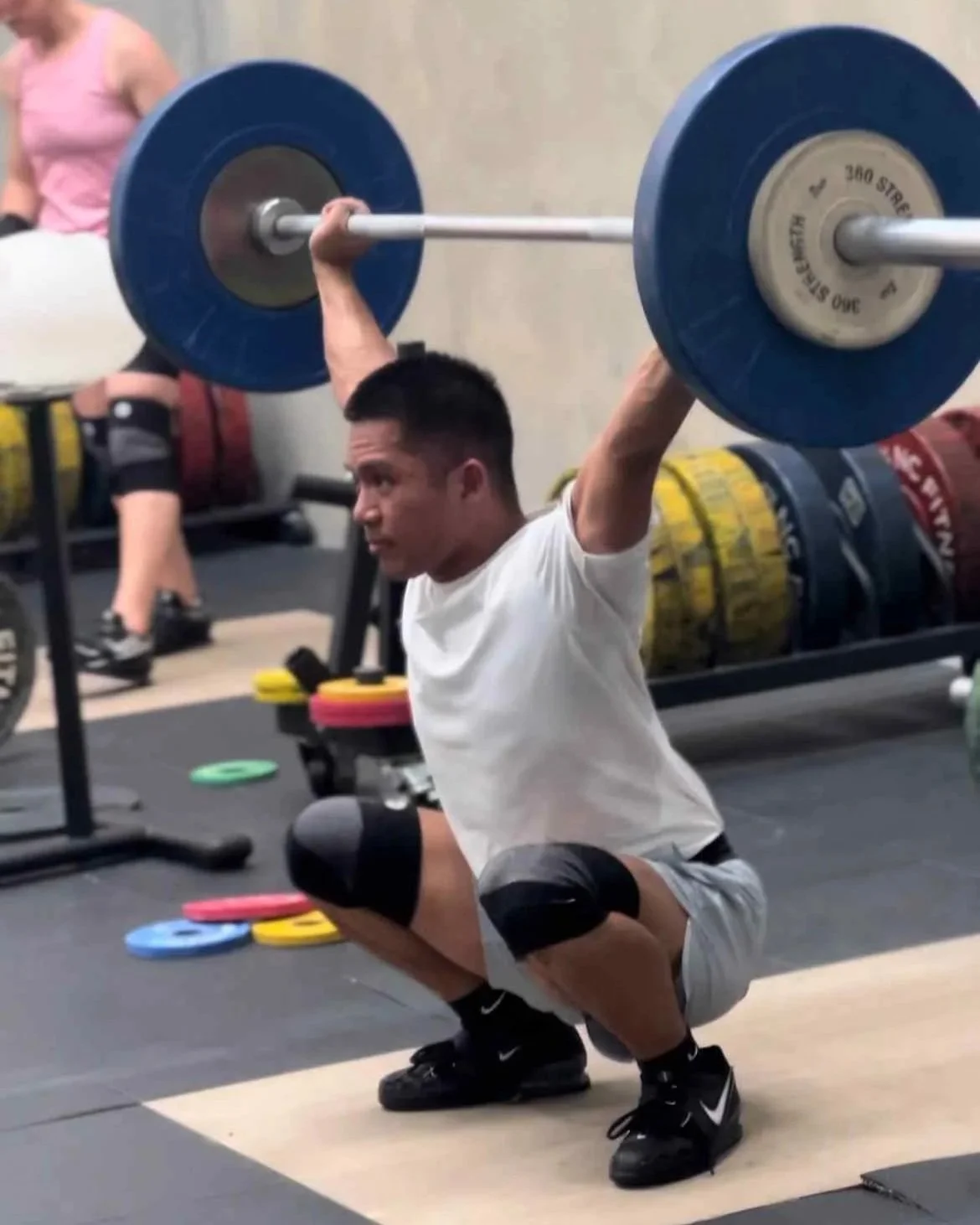
Let’s use the snatch as an example.
If you’re constantly jumping forward in your snatch, dropping the weight and doing endless light snatches probably isn’t going to fix it.
Why?
Because you’re just rehearsing the same pattern…. only lighter.
And here’s the important part:
There isn’t one single way to fix it.
There’s no “perfect” exercise that magically corrects every technical issue for every lifter.
I’ve coached plenty of athletes who all jumped forward in the snatch, and not once did they all need the exact same fix. The solutions were similar in theme, but different in execution, variations, constraints, entry points.
Technique Problems Don’t All Come From the Same Place
Two lifters can show the same error but arrive there for completely different reasons.
Different training backgrounds
Slightly different technical models
Different levels of strength or mobility
Different levels of body awareness
One lifter might jump forward because of poor balance off the floor.
Another because of weak positions overhead.
Another because they rush to get under the bar.
Same outcome. Different cause.
That’s why blanket advice rarely works long-term.
This Is Where Individual Programming Matters
When you use the right variations and constraints for your needs, everything changes.
Variations allow you to:
Strengthen weak positions
Slow the lift down where needed
Feel what correct positions actually are
Build confidence under load
By isolating parts of the lift or adding constraints, you’re not just “fixing technique” you’re improving your ability to perform the lift well.
Where Lighter Classic Lifts Do Matter
Now, this doesn’t mean lighter classic lifts are useless.
They’re incredibly valuable after you’ve used constraints and variations to improve your ability to perform the lift.
Once you’ve:
Strengthened the right positions
Improved body awareness
Built the necessary speed and strength
Using lighter classic lifts allows you to build consistency.
This is where you:
Blend everything back into the full movement
Practice rhythm and timing
Reinforce the changes you’ve made without overload
Light classic lifts aren’t about learning the fix, they’re about owning it.
Used at the right time, they help solidify technique, improve confidence, and create smoother transitions back to heavier loads.
Used at the wrong time, they just repeat the same errors, only lighter.
Technique Isn’t Fragile
If you can perform a snatch well from different positions, with different constraints, and you understand why those positions matter, you’ll master the lift far faster than someone who only ever does the classic lifts lighter to improve technique.
Technique isn’t fragile.
It doesn’t break the moment the weight gets heavier.
When built properly, technique is strong, adaptable, and resilient.
And that’s the world I want us training in.
If your lifts keep stalling, it’s probably time to change how you’re training, not just how light you go. Get in contact with the MWBC coaches now to start making real progress this year.
—MWBC Coaching Team
