Nobody I Coach Has Said "I've Got Heaps of Time to Train, Coach"
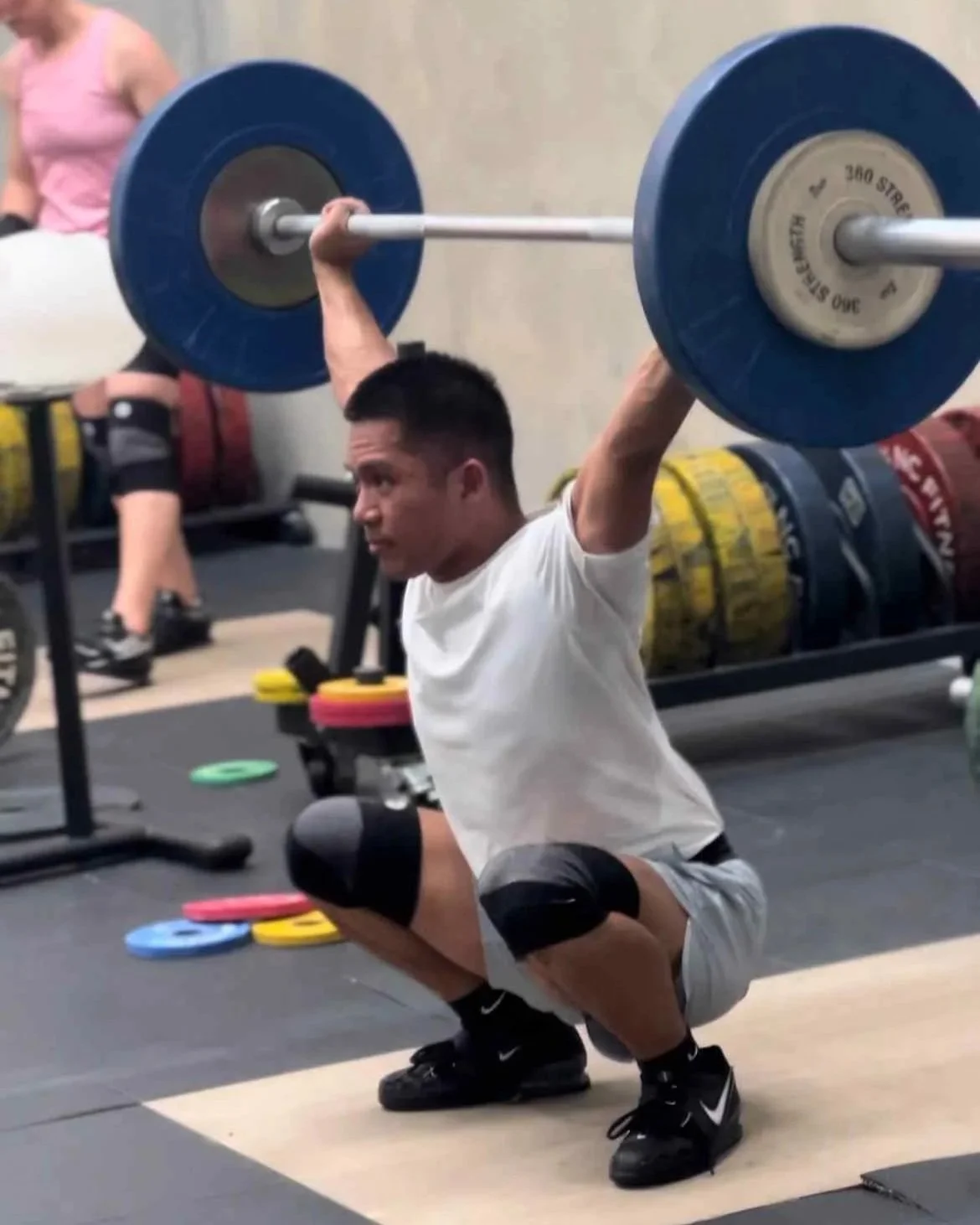
But everyone still improves.
Coaching the athlete is what makes all the difference
The people I coach don't have a lot of time
Full-time jobs. Family. Study. Bills. About a million and one things happening on any given Tuesday.
None of them have someone at home doing their washing, making their meals, and running their life for them. Their sleep isn't always great. Their nutrition isn't always dialled. Some weeks they turn up to training running on empty.
But here's the thing, they still want to get stronger. They still want to compete. They still want to improve in weightlifting.
That combination, big commitments and big goals, is exactly the coaching problem I've built my whole approach around.
Coaching in perfect conditions is easy
Let's be honest about something for a second.
Eight hours of sleep. Zero stress. Nutrition so dialled people think you're on something. All day to train, all day to recover.
Under those conditions, almost any program works. Honestly, you could probably just wing it. The recovery does most of the heavy lifting, and progress shows up almost regardless of what's written on the page.
But almost nobody actually lives like that. Most people never will. And that's where coaching starts to actually matter.
The real job isn't writing a program for someone with unlimited time and perfect recovery. The real job is getting someone stronger when their sleep was rubbish this week, their work deadline blew up, and they've got forty-five minutes on Thursday instead of ninety.
I coach you, not the textbook
My job is to get you stronger and help you make progress, but in a way that actually fits within your capacity to train.
That means a few things in practice:
Your program is built around your schedule, not the other way around. A plan that only works when life cooperates isn't a plan.
I prioritise different focuses from block to block. We're moving the needle on the things that matter most right now, not trying to push absolutely everything at once. Trying to improve your snatch technique, your snatch 1rm, Clean and Jerk Technique, pushing those numbers and your squat strength, simultaneously on limited time and recovery, is how you end up improving none of them and feeling cooked.
Movements get adjusted to suit your body. Most of the people I coach aren't textbook lifters. Past injuries, mobility restrictions, strength gaps, time gaps, and lives outside the gym that don't just pause because it's training day. The exercises need to fit the person, not the other way around.
I get you stronger without burning you out in the process. You've got other commitments, and this is your hobby a passionate one, but still a hobby. If training leaves you with nothing in the tank for the rest of your life, the program has failed, no matter what the numbers say.
Why this matters more than people think
There's a quiet assumption baked into a lot of weightlifting programming that the lifter can recover from whatever is written down. More sessions, more volume, more intensity, and the body will adapt.
It will. If you can recover from it.
But recovery isn't just what happens between sets. It's your sleep, your food, your stress, your job, your family, your whole week. When those are stretched thin and for most adults, they usually are, the program has to account for it. Not as an afterthought. As the starting point.
That's the difference between a program that looks good on paper and a program that actually works for the person doing it.
If this sounds like you
You want to get stronger. You want to compete. You want to progress in weightlifting.
But you've also got a life job, family, actual responsibilities and lifting has to fit around all of it.
That's exactly who I coach.
If any of this sounds familiar, come and experience what it feels like to have a fresh set of eyes on your lifting. We're offering a free one-on-one session at MWBC where we'll work with you on the floor, not just hand you a program. No commitment, just coaching.
— MWBC Coaching Team
